 Save
Save There's something about early April that makes me crave green things—not just any greens, but the tender, bright kind that show up at the farmer's market with dirt still clinging to their roots. I stumbled onto this bowl concept while standing in my kitchen on a Tuesday afternoon, staring at a bunch of asparagus that had caught my eye and suddenly thinking, why not build an entire meal around vegetables that taste like spring itself? The idea stuck, and now whenever I need to feel like the season is actually changing, this is what lands in my bowl.
I made this for my sister last May when she was going through one of those phases where she'd sworn off heavy food, and I watched her eat two bowls without saying much, which for her meant it was exactly right. She kept asking about the dressing, and I realized that's the real magic here—something bright enough to tie all those quiet vegetables together without overshadowing them. Since then, it's become the thing I make when I want to feed people something nourishing without making them feel like they're eating health food.
Ingredients
- Quinoa, brown rice, or farro (1 cup, 180 g): Pick whichever grain you find yourself reaching for most; quinoa is fastest and adds a subtle nuttiness, while brown rice feels more grounding and farro brings a pleasant chew.
- Water (2 cups, 480 ml) and salt (½ tsp): Don't skip salting your cooking water—it's where the grain starts tasting like itself instead of tasting like nothing.
- Fresh or frozen green peas (1 cup, 150 g): Frozen peas are genuinely better than sad fresh ones, and they thaw quickly into something tender rather than mealy.
- Asparagus (1 cup, 120 g, trimmed and cut into 2-inch pieces): The tender tips are what matter most; snap off the woody ends where they naturally want to break and don't feel guilty about discarding them.
- Green beans (1 cup, 120 g, trimmed and cut into 2-inch pieces): These add a slight earthiness and structure that keeps the bowl from feeling too delicate, and they hold their shape beautifully when blanched.
- Baby spinach leaves (2 cups, 60 g): A quick wilt softens them without turning them to mush, and they practically disappear into the warmth of the grain.
- Extra-virgin olive oil (3 tbsp): This is where you can taste the difference between a good bottle and a mediocre one, so choose something you'd actually want to drink.
- Freshly squeezed lemon juice (2 tbsp): Bottled lemon juice flattens everything; fresh juice keeps the dressing bright and alive.
- Lemon zest (1 tsp): Don't skip this—it adds a subtle perfume that makes people ask what they're tasting.
- Dijon mustard (1 tsp): A small amount anchors the dressing without making it taste mustard-y; it's the secret nobody notices but everyone feels.
- Maple syrup or honey (1 tsp): Just enough to round out the sharpness and help everything emulsify into something silky.
- Minced garlic (1 small clove): One clove is enough; more than that and you're no longer making a spring bowl, you're making a garlic bowl that happens to have vegetables.
- Salt and freshly ground black pepper: Taste as you go and adjust at the end—seasoning isn't something you get right once and forget about.
- Toasted pumpkin seeds or sunflower seeds (2 tbsp, optional): They add a satisfying crunch and the kind of nuttiness that makes the bowl feel complete rather than empty.
- Crumbled feta cheese (¼ cup, optional): Salty and tangy, it plays beautifully against the bright vegetables, though the bowl is equally lovely without it.
- Fresh herbs—mint, parsley, or dill (optional, chopped): Pick one and use it generously, or mix them if you're feeling adventurous; herbs are what transform a bowl from good to memorable.
Tired of Takeout? 🥡
Get 10 meals you can make faster than delivery arrives. Seriously.
One email. No spam. Unsubscribe anytime.
Instructions
- Cook the grains with intention:
- Rinse your grains under cold water until the water runs mostly clear, which removes some of the starch and prevents them from clumping. Bring 2 cups of salted water to a boil in a medium saucepan, add the grains, reduce the heat to low, cover, and simmer gently—quinoa takes about 15 minutes, brown rice needs closer to 35, so follow package directions for farro. When they're done, fluff everything with a fork and let it sit uncovered for a moment so steam can escape and the grains stay separate.
- Blanch the vegetables until they sing:
- Bring a large pot of salted water to a rolling boil and blanch the peas, asparagus, and green beans separately for 2 to 3 minutes each—they should be bright green and just tender enough to bite through, not soft. The moment they're done, plunge them into a bowl of ice water to stop the cooking, then drain well so they don't water down your bowl.
- Wilt the spinach gently:
- Heat a large skillet over medium heat and add the spinach directly—no oil needed yet. Stir it for 1 to 2 minutes until it softens and releases its water, then remove it from the heat before it turns dark and tired.
- Build the dressing in a small moment:
- Whisk together the olive oil, fresh lemon juice, lemon zest, Dijon mustard, maple syrup, and minced garlic in a small bowl until everything looks creamy and unified. Season with salt and pepper, taste it, and adjust until it makes you pause and smile.
- Assemble with care:
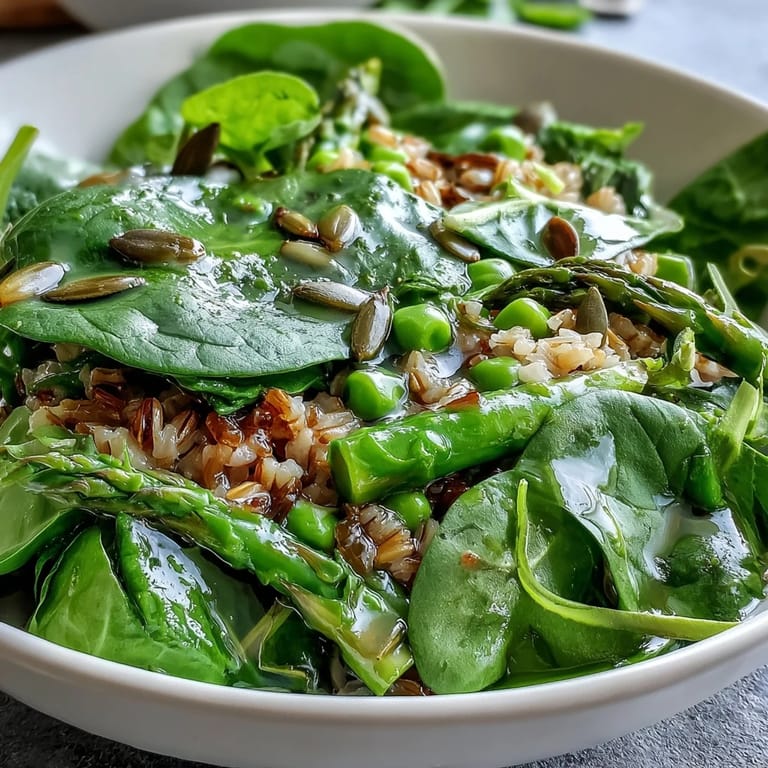
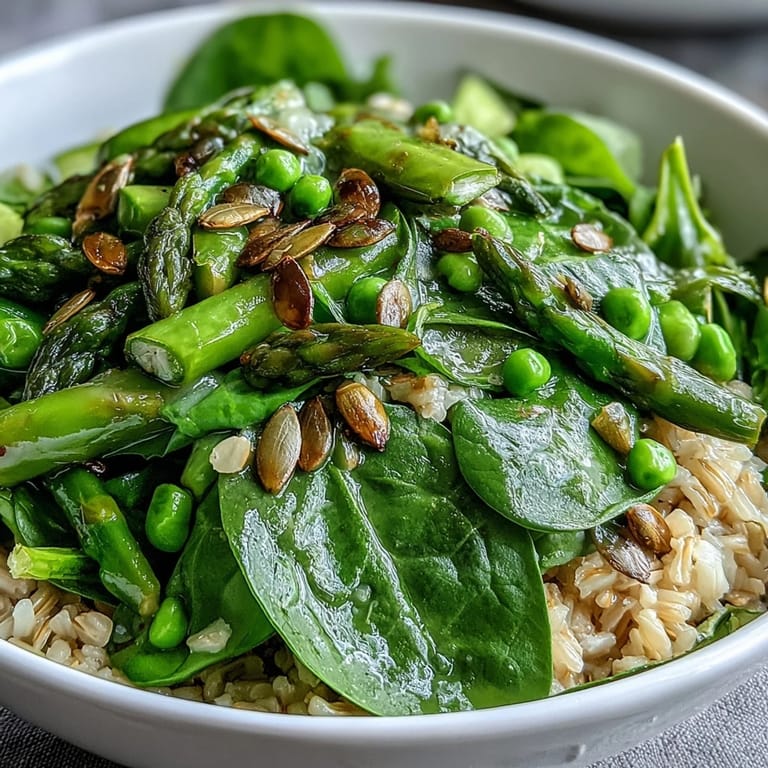
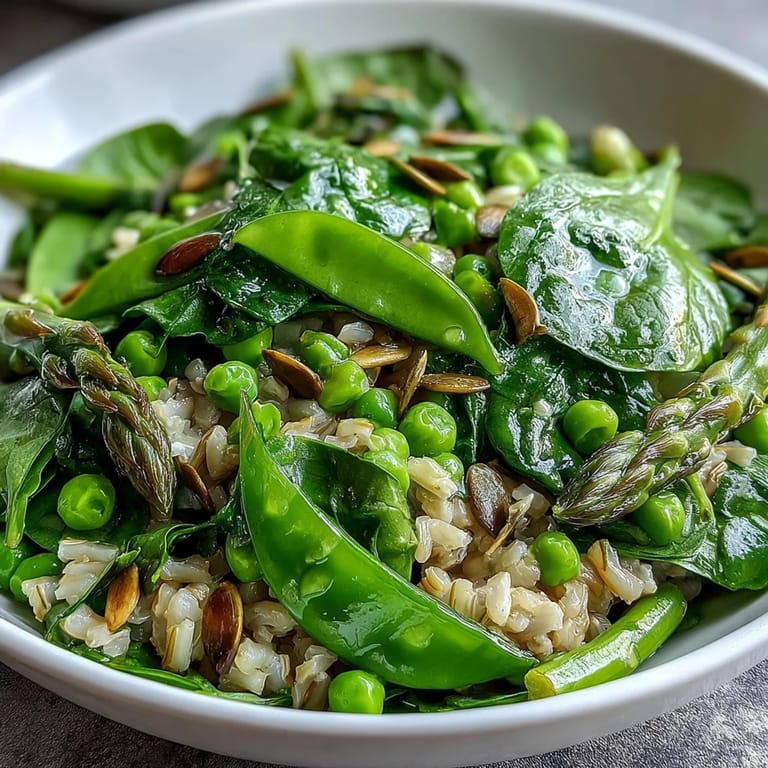
- Divide the warm grains among four bowls, then arrange the blanched peas, asparagus, green beans, and wilted spinach on top in whatever pattern feels right to you. Drizzle the dressing over everything while the grains are still warm so they soak up some of that brightness.
- Finish and serve:
- Sprinkle each bowl with toasted seeds, crumbled feta if you're using it, and a handful of fresh herbs, then bring them to the table while everything is still warm enough to taste like an intention rather than an afterthought.
 Save
Save My neighbor tasted this last summer when I brought her a bowl during a heat wave, and she cried a little, which seemed like an extreme reaction until she explained that it was the first thing she'd eaten in days that made her feel like living through June was actually worth it. That's when I understood this isn't really a recipe about vegetables or grains at all—it's about giving yourself permission to eat something that feels like relief.
Why This Works As a Bowl
A good bowl is really just an argument between textures and tastes, and when you get it right, each element stops being a supporting player and becomes essential. The grain is your anchor, something substantial enough that you don't feel like you're eating air, but neutral enough that it doesn't fight for attention. The vegetables provide brightness and structure, the dressing ties everything into something coherent, and the toppings are what makes you feel like someone cared about the details.
Making This Ahead
There's nothing worse than assembling a bowl in the morning and watching it turn into a sad, soggy situation by noon, so don't do that to yourself. Instead, cook everything separately and keep the dressing in its own container until you're ready to eat—this way, the grains stay fluffy, the vegetables stay crisp, and you can assemble in literally two minutes whenever hunger strikes.
Variations and Swaps
This bowl is forgiving in the way that the best recipes are, bending toward whatever you have and whatever you're craving. The grains are flexible—bulgur and couscous work beautifully if that's what's in your pantry, and the vegetables shift with the season, so feel free to swap in whatever looked good at the market. If you need more protein, grilled chicken or crumbled tofu or roasted chickpeas will make it a more substantial meal, and nobody will judge you for it.
- Try adding roasted chickpeas or grilled tofu for a protein boost that feels natural rather than like an afterthought.
- In autumn, swap the spring vegetables for roasted root vegetables and everything still feels intentional and alive.
- Make a double batch of dressing and use it on salads, roasted vegetables, or grain bowls for the rest of the week.
 Save
Save Every time I make this, I'm reminded that the best meals are the ones that don't feel like a performance, just something simple and bright that tastes like taking care of yourself. Make it for yourself on a day when you need it, and then make it for someone else when they need it too.
Recipe FAQs
- → Can I prepare these bowls in advance?
Yes, these bowls are excellent for meal prep. Cook the grains and vegetables up to 3 days ahead, storing them separately in airtight containers. Keep the dressing in a small jar and assemble just before serving to maintain the best texture and freshness.
- → What other grains work well in this bowl?
Bulgur, couscous, barley, or even cauliflower rice make great alternatives. Adjust cooking times accordingly and consider the texture you prefer—hearty grains like farro provide more chew, while lighter grains like couscous offer a delicate base.
- → How do I blanch vegetables properly?
Bring salted water to a rolling boil, add vegetables for 2-3 minutes until bright green and tender-crisp, then immediately transfer to ice water. This stops the cooking process and preserves the vibrant color and nutrients.
- → Can I add protein to make it more filling?
Absolutely. Grilled chicken, baked tofu, roasted chickpeas, or a soft-boiled egg all complement these flavors beautifully. Simply cook your protein separately and arrange it on top when assembling the bowls.
- → What if I don't have fresh spring vegetables?
Frozen peas and green beans work wonderfully—just thaw before using. Substitute asparagus with broccoli florets or sugar snap peas. The key is using vegetables that maintain their texture when lightly cooked.