 Save
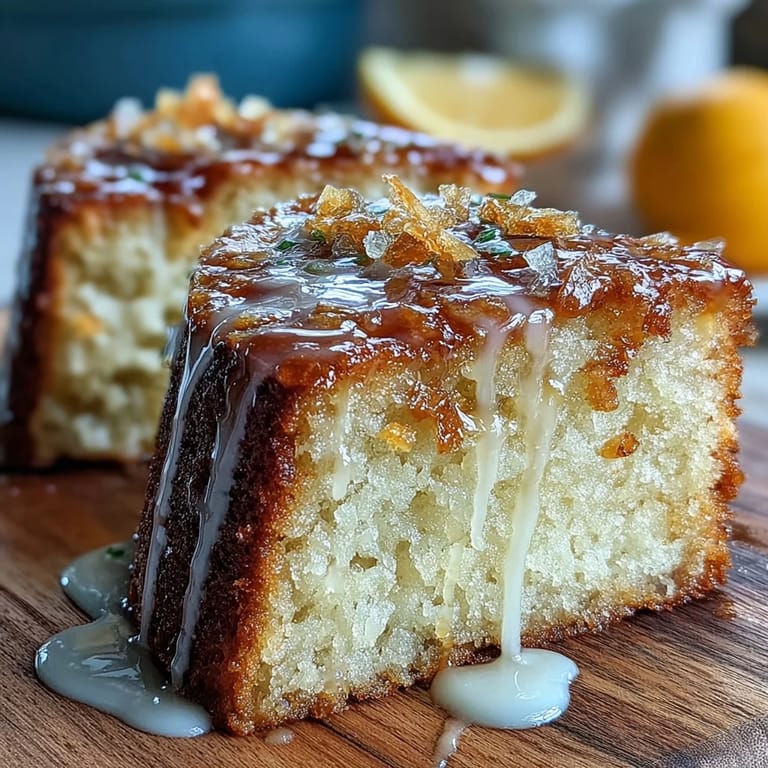
Save The first time I made this cake, I'd just returned from a trip to the Amalfi Coast with a bottle of Limoncello tucked in my suitcase, still fizzing with the memory of those steep lemon groves and sun-soaked afternoons. My kitchen smelled like a regular Tuesday until I zested those first lemons, and suddenly everything changed—that bright, almost piercingly fresh aroma hit me like I'd transported myself back. I stood there for a moment, the grater still in hand, wondering if I could actually capture that feeling in a cake.
I baked this for my sister's book club one spring evening, and I'll never forget her friend Sarah standing in my kitchen, eyes closed, just breathing in while the cake cooled on the rack. She said it smelled like hope, which made everyone laugh, but there was something to it—that particular combination of butter, sugar, and bright citrus does something almost magical to a room. It became the cake everyone asked for after that, the one people actually remembered weeks later.
Ingredients
- Unsalted butter, softened: This is the foundation of everything—use room temperature butter or your creaming will take forever and won't incorporate enough air into the batter.
- Granulated sugar: Standard white sugar creates the fine crumb structure that makes pound cake so satisfying; don't swap it for brown sugar here.
- Large eggs, room temperature: Cold eggs won't emulsify properly with the butter, so pull them out of the fridge at least an hour before baking.
- Limoncello liqueur: This is where the magic happens—it adds complexity and moisture that plain lemon juice can't deliver alone.
- Whole milk, room temperature: The fat content in whole milk matters; skim milk will make the cake denser and more prone to cracking on top.
- Freshly grated lemon zest: Microplane it directly over the batter bowl so you capture every bit of those precious oils; pre-zested from a jar just won't sing the same way.
- Fresh lemon juice: Bottled will work in a pinch, but fresh juice brings that living brightness that makes people stop mid-bite and ask what you did.
- All-purpose flour: Measure by spooning and leveling, never scooping straight into the bag—this simple step prevents a dense, heavy cake.
- Baking powder: Check the expiration date; old baking powder won't give you the lift you need.
- Salt: A half teaspoon is just enough to make the lemon flavors pop without tasting salty.
- Powdered sugar for glaze: Sift it before whisking into the wet ingredients so you don't end up with lumps in your final drizzle.
Tired of Takeout? 🥡
Get 10 meals you can make faster than delivery arrives. Seriously.
One email. No spam. Unsubscribe anytime.
Instructions
- Prepare your stage:
- Preheat your oven to 350°F (175°C) and get your pan ready—butter the inside generously, then dust with flour, tapping out the excess. This two-step greasing trick means your cake will release cleanly without sticking.
- Cream butter and sugar into clouds:
- Beat the softened butter with granulated sugar for about 3 to 4 minutes until it's pale, fluffy, and looks almost like frosting. This aerating step is everything; it creates tiny air pockets that make the cake tender rather than dense.
- Add eggs with patience:
- Drop in one egg at a time, beating well after each addition so the mixture stays emulsified and doesn't look curdled. If it does start to look broken, a splash of room-temperature milk can bring it back together.
- Introduce the brightness:
- Stir in the lemon zest, Limoncello, lemon juice, and milk until everything is evenly distributed and the batter smells incredible. The mixture might look a little loose at this point—that's perfect.
- Combine dry ingredients separately:
- Whisk together the flour, baking powder, and salt in a separate bowl so the leavening agent is evenly distributed throughout. This prevents bitter pockets and ensures an even rise.
- Fold it all together gently:
- Gradually add the dry mixture to the wet ingredients, mixing just until you don't see any white flour streaks—overmixing develops gluten and toughens the cake. A few lumps are your friend here.
- Pour and smooth:
- Transfer the batter to your prepared pan and smooth the top with a spatula so it bakes evenly. A small indentation down the center helps prevent a dome-shaped top if you want a more level cake.
- Bake until golden:
- Bake for 50 to 55 minutes until a toothpick inserted into the center comes out clean with just a few moist crumbs. The cake should be golden brown on top and smell like every good thing at once.
- Cool with care:
- Let it rest in the pan for 15 minutes—this waiting is crucial because the cake is still setting and removing it too early can cause crumbling. Then turn it out onto a wire rack and let it cool completely before glazing.
- Make the glaze:
- Whisk together sifted powdered sugar, fresh lemon juice, and Limoncello until you have a smooth, pourable consistency that drips like liquid silk. If it's too thick, add another teaspoon of lemon juice; if too thin, a touch more powdered sugar.
- Glaze and finish:
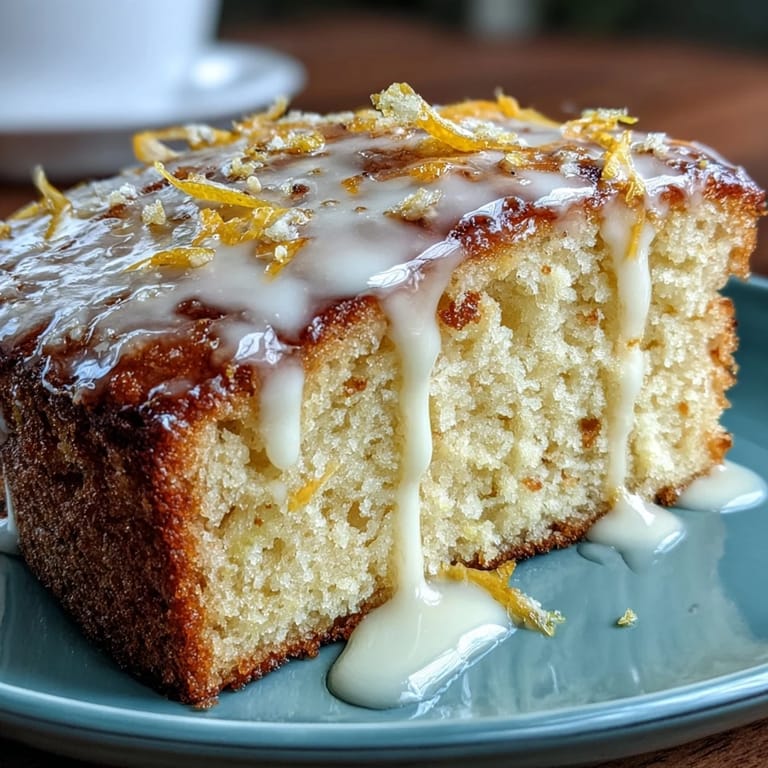
- Drizzle the glaze over the completely cooled cake in decorative patterns, then scatter lemon zest on top if you want. Let it set for at least 30 minutes before slicing so it firms up into a beautiful glossy coat.
 Save
Save Years ago, I brought this cake to a neighbor's porch on a particularly quiet morning when she'd just lost her husband—no big speech, just a covered plate left at the door. She texted me later saying she'd sat with it and coffee and felt like someone understood that sometimes you just need something that tastes like comfort and sunshine. That's when I realized this cake was more than technique and ingredients; it was a way to say things without words.
The Science of Citrus in Baking
Lemon works differently in cakes than in other baking projects because the acidity actually tenderizes the structure, making the cake stay moist longer by interfering with gluten development. The Limoncello adds another layer because the alcohol helps carry flavor compounds that straight juice alone can't achieve, and those oils in the zest contain aromatic compounds that intensify when they warm up in the oven. Understanding this changed how I think about flavor—it's not just about tasting good, it's about how heat transforms what you put in the pan.
Storage and Serving Suggestions
This cake actually improves on day two or three because the flavors continue to develop and the moisture settles evenly throughout every slice. Keep it covered at room temperature for a few days, or wrap it well and refrigerate if you want it to last a full week. The glazed top stays beautiful and doesn't crack or weep, which makes this cake forgiving and elegant at the same time.
Variations That Still Feel True
Once you understand the basic structure, you can play with it—I've made this with half cake flour for an even softer texture, added a touch of cardamom for intrigue, or substituted the Limoncello with an equal amount of white wine and extra lemon juice if that's what I had on hand. The bones of the recipe are strong enough to support these little experiments, and sometimes the happy accidents are the best discoveries. You can also make this alcohol-free by using additional lemon juice in place of the Limoncello, though you'll lose some of that sophisticated depth.
- Try replacing a quarter of the all-purpose flour with almond flour for a slightly nuttier crumb and subtle richness.
- A pinch of cardamom or even a touch of poppy seeds adds unexpected complexity without overshadowing the lemon.
- Double the lemon zest if you want it more aggressive, or dial it back slightly if you're serving to people who prefer subtlety.
 Save
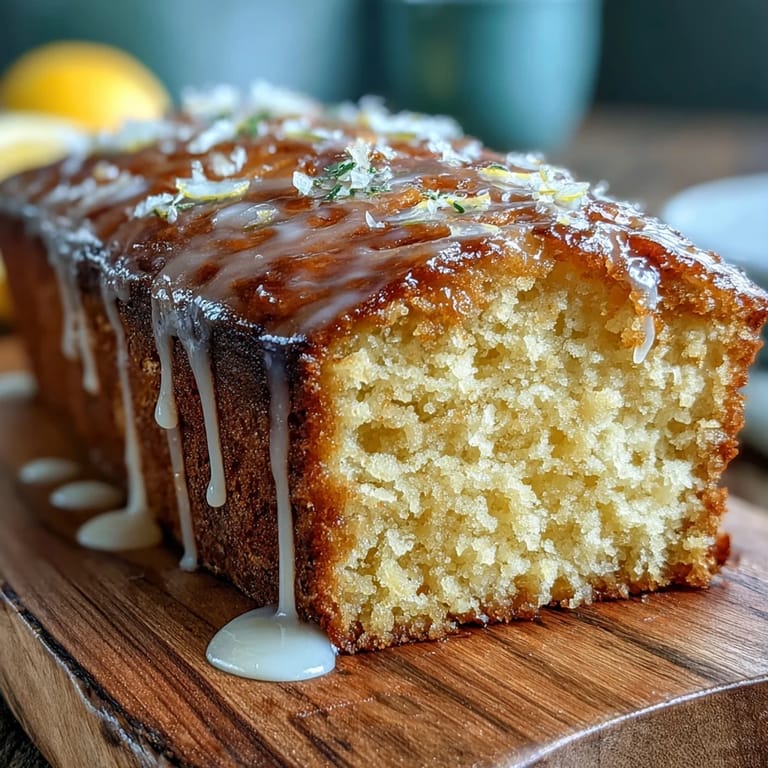
Save This cake has become my quiet way of celebrating small moments or comforting the people I care about, and I hope it becomes something like that for you too. Bake it when you want your kitchen to smell like possibility.
Recipe FAQs
- → What does Limoncello add to the cake?
Limoncello infuses the cake with a sweet, citrusy aroma and a subtle alcoholic depth enhancing the lemon flavor.
- → Can I substitute Limoncello with something else?
Yes, you may replace Limoncello with extra fresh lemon juice for a non-alcoholic version, though the flavor will be less complex.
- → How do I achieve a moist texture in this cake?
Using softened butter creamed with sugar and incorporating eggs fully, along with milk, ensures a tender and moist crumb.
- → What’s the best way to apply the lemon glaze?
Whisk the glaze until smooth, then drizzle evenly over the cooled cake. Allow it to set before slicing for a glossy finish.
- → Can the flour be adjusted for a lighter texture?
Substituting half the all-purpose flour with cake flour will yield a lighter, more delicate crumb.