 Save
Save My kitchen filled with steam one December evening when I decided to use up the vegetables languishing in my crisper drawer, and halfway through cooking, I remembered the jar of kimchi sitting untouched in the back of my fridge. That spur-of-the-moment addition transformed what would have been a simple stir-fry into something alive with fermented funk and warmth. The combination felt like a conversation between seasons—hearty roots meeting bright, probiotic heat. Now I make this whenever I want something that tastes both nourishing and unexpectedly bold.
I served this to my neighbor one snowy afternoon when she stopped by with homemade bread, and she devoured two bowls while we talked about her garden plans for spring. There was something about the way the steam rose from the wok and how the kitchen smelled like ginger and fermented cabbage that made the moment feel less like cooking and more like a small ritual we were sharing together.
Ingredients
- Broccoli florets: They should be bite-sized so they soften quickly without turning mushy—this is where your knife work makes a real difference in texture.
- Carrots, sliced on the bias: The angle cut increases surface area, which helps them cook evenly and gives you those pretty geometry details that make the dish feel intentional.
- Parsnip: This sweet, often-overlooked root vegetable adds an earthy complexity that regular onion never could; it's my secret for depth.
- Sweet potato matchsticks: Keep them thin so they don't dominate the other vegetables, and they'll contribute gentle sweetness rather than starchy bulk.
- Shredded green cabbage: Raw shredded is key—it adds crunch and a subtle sulfurous note that builds character in the final dish.
- Red bell pepper: It goes in last because it stays crispest when added near the end, and the color matters as much as the flavor.
- Fresh ginger, grated: Microfine grating releases more oils than mincing, which means better distribution and a warmer, more integrated flavor.
- Garlic, minced: Half a minute in hot oil is all this needs to go fragrant without turning bitter and harsh.
- Toasted sesame oil: The word toasted is doing heavy lifting here—it's nutty and dark, so a little goes a long way and prevents your stir-fry from tasting generic.
- Soy sauce or tamari: Tamari is your friend if gluten is a concern, though both bring that essential umami backbone the dish relies on.
- Rice vinegar: The gentle acidity keeps everything bright without the aggression of regular vinegar; it whispers rather than shouts.
- Maple syrup or honey: Just a teaspoon balances the acid and salt, creating depth that makes people wonder what your secret ingredient is.
- Kimchi, chopped: This is the whole point—choose one you love eating straight from the jar, because you'll taste it clearly in the final dish.
- Green onions and sesame seeds: These are optional but they're how you tell people you cared enough to finish the dish properly.
Tired of Takeout? 🥡
Get 10 meals you can make faster than delivery arrives. Seriously.
One email. No spam. Unsubscribe anytime.
Instructions
- Get everything prepped and ready:
- Mise en place is not just a fancy phrase—it's the difference between feeling in control and feeling frantic once the wok gets hot. Lay out your cut vegetables on a board, mince your ginger and garlic into a small bowl, and whisk your sauce together while the pan heats up.
- Heat your wok or skillet until it's genuinely hot:
- Medium-high heat and sesame oil should shimmer and smell toasted within about 30 seconds. If it smokes aggressively, you've gone too hot; back down just a touch.
- Bloom your aromatics:
- Add ginger and garlic together and listen for that quiet sizzle—30 seconds is the sweet spot before they go from fragrant to burnt. Your nose will tell you when it's right; that sharp, warming smell is what you're after.
- Cook your harder vegetables first:
- Carrots, parsnip, sweet potato, and broccoli all need 4 to 5 minutes of aggressive stirring to start softening while staying crisp. Keep the wok moving and don't let anything stick to the bottom for too long.
- Add the quicker vegetables:
- Cabbage and bell pepper join the party next and need only 3 to 4 more minutes—you want everything to still have some bite to it when you taste-test.
- Combine your sauce and toss it all together:
- The liquid will hit the hot vegetables with a small sizzle, and that moment of contact is where the flavors start knitting together. Keep moving everything for another 30 seconds so nothing sticks.
- Finish with kimchi off the heat:
- Removing from heat before adding the fermented vegetables preserves the beneficial probiotics and prevents them from cooking into oblivion. Gentle tossing means the kimchi stays in distinct pieces rather than becoming a paste.
- Plate and garnish:
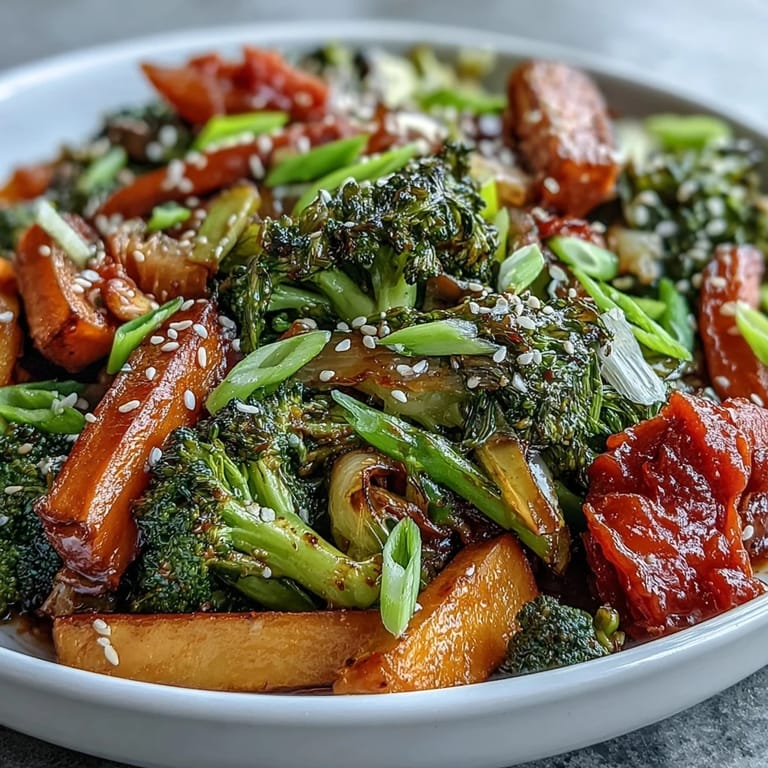
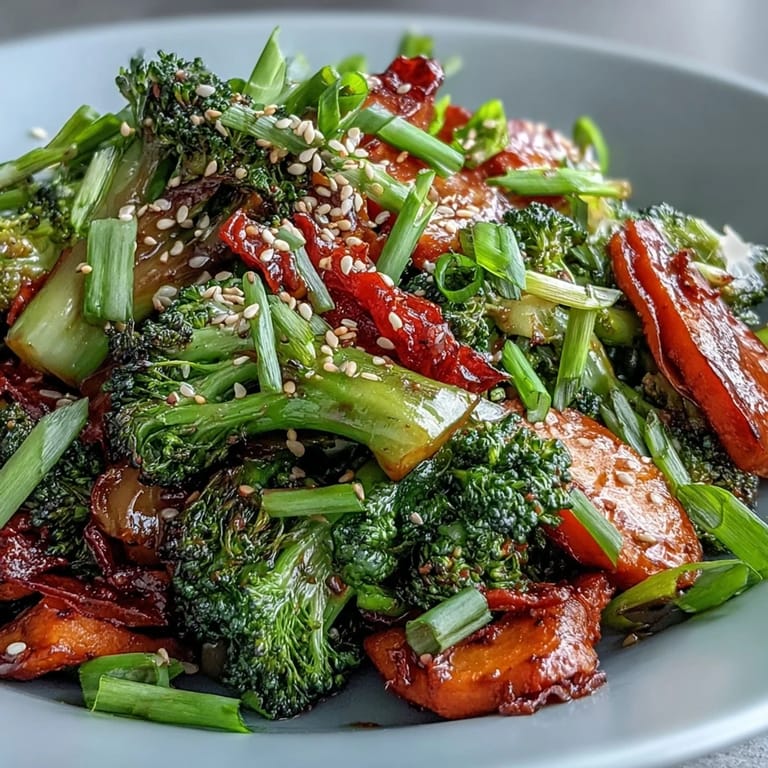
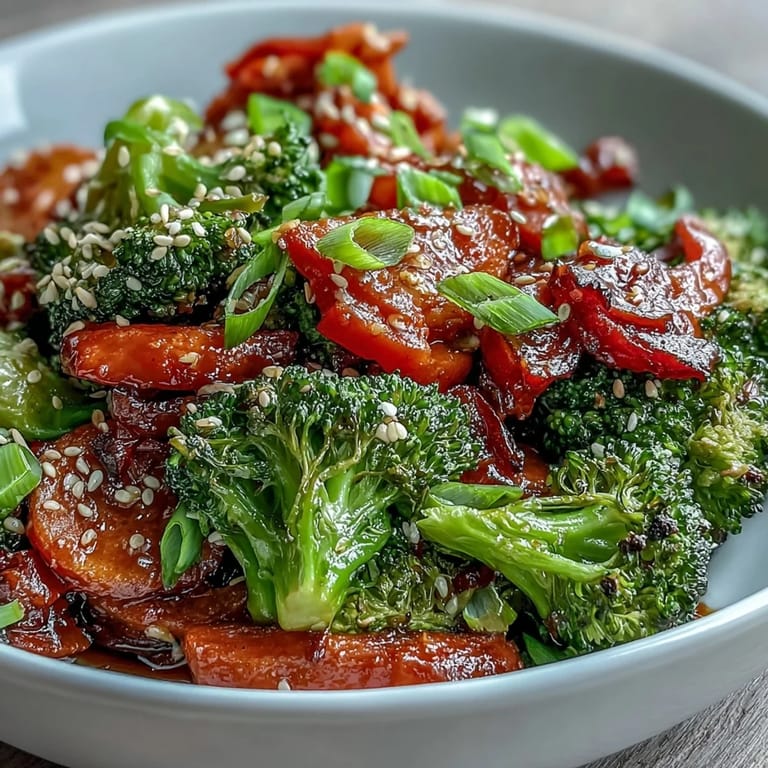
- Green onions and sesame seeds scattered over the top aren't just pretty—they add fresh sharpness and nutty texture that make the whole dish sing.
 Save
Save There's a moment near the end of cooking when the kitchen fills with that specific smell—toasted sesame and caramelized carrots and fermented funk all mingling together—and that's when I know the dish has become what I wanted it to be. That moment still catches me every time I make it.
Why This Stir-Fry Works in Winter
Winter vegetables are built for roasting and searing, not for delicate spring preparations, and this stir-fry honors that reality by celebrating their dense, sweet earthiness. Root vegetables like parsnip and sweet potato develop hidden sugars in cold months, which is why they taste deeper and more complex than their summer versions. The quick, high-heat cooking method preserves their structure while coaxing out those caramelized notes, creating a dish that feels both light and deeply satisfying in a season when you need both.
The Fermentation Factor
Kimchi isn't just a topping—it's the secret that makes this dish feel complete and alive in a way that regular vegetables alone cannot achieve. The fermentation process breaks down the cabbage and vegetables into forms your body can absorb more easily, and that probiotic activity means you're eating food that's actively good for your digestion. Adding it at the end keeps all that beneficial bacteria intact, turning a simple stir-fry into something that nourishes you on multiple levels.
Serving and Customization Ideas
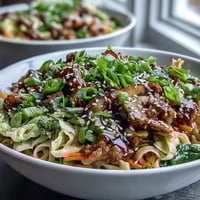
This stir-fry is flexible enough to work as a complete meal on its own, but it becomes something entirely different when served over rice, quinoa, or soba noodles—the sauce soaks into the grain and creates a unified dish rather than separate components. You can swap vegetables based on what you have or what season brings—turnip, rutabaga, and kale all work beautifully and will teach you something new about how different vegetables taste when cooked together. The amount of kimchi is entirely your call; start with what feels right and adjust next time based on how your palate responds.
- Serve over steamed rice or quinoa to stretch the vegetables into a heartier meal that fills you up longer.
- Add extra kimchi and its brine if you want more fermented funk and probiotic benefit in every spoonful.
- Use tamari instead of soy sauce if you need to keep things gluten-free, and check your store-bought kimchi label for hidden soy or seafood.
 Save
Save This stir-fry has become my answer to that restless winter feeling when you want something warm but also alive, nourishing but not heavy. Make it once and it'll come back into rotation every time the season turns cold and your crisper drawer fills with roots.
Recipe FAQs
- → What makes this dish probiotic-rich?
The addition of kimchi at the end provides beneficial probiotics. Kimchi is fermented cabbage packed with live cultures that support gut health. Adding it after cooking preserves these beneficial bacteria since high heat can destroy them.
- → Can I use other fermented vegetables?
Absolutely. Sauerkraut, pickled vegetables, or other fermented Asian vegetables work beautifully. Each brings unique tang and probiotic benefits. Choose options that complement the winter vegetables without overpowering them.
- → How do I prevent vegetables from becoming mushy?
Keep the heat at medium-high and work in batches if needed. Add denser vegetables like carrots and parsnips first, giving them 4–5 minutes before adding quicker-cooking cabbage and bell peppers. The goal is crisp-tender, not soft.
- → Is this suitable for meal prep?
Yes, though texture changes slightly when reheated. Store vegetables and sauce separately, then reheat quickly in a hot skillet. Add fresh kimchi just before serving to maintain its probiotic benefits and crisp texture.
- → What grains work best as a base?
Steamed rice, quinoa, or soba noodles all complement the flavors beautifully. Brown rice adds nutty depth, while quinoa provides extra protein. Soba noodles create a more Japanese-inspired twist that pairs perfectly with the Asian seasonings.
- → How spicy is this dish?
The spice level depends entirely on your kimchi choice. Traditional kimchi ranges from mild to quite spicy. Start with less kimchi if you're sensitive to heat, or choose a milder variety. You can always add more.