 Save
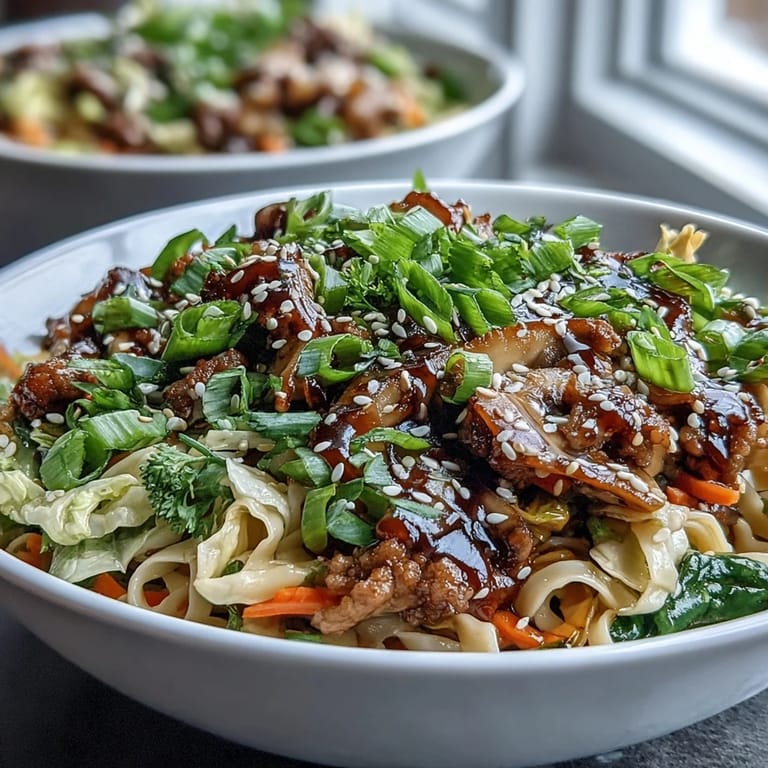
Save The clatter of my wok hitting the burner always signals something good is about to happen. One weeknight, I was craving potstickers but didn't have the patience for folding wrappers, so I grabbed a pack of rice noodles and decided to throw all those savory, gingery, crispy-edged flavors into a bowl instead. The smell of browning pork and toasted sesame oil filled the kitchen within minutes. What started as a lazy shortcut became my most-requested dinner, and now I make it whenever I want that perfect balance of comforting and exciting.
I made this for a friend who swore she only liked dumplings from her favorite takeout spot. She watched me toss everything together in the wok, skeptical at first, then quiet as she took her first bite. By the time she finished her bowl, she was asking for the recipe and admitting that sometimes the deconstructed version beats the original. That night, with lime wedges scattered across the table and sesame seeds stuck to our fingers, we agreed that the best recipes are the ones that surprise you.
Ingredients
- Dried rice noodles (8 oz): These cook quickly and soak up the sauce beautifully, stay tender without getting mushy, and keep the dish gluten-free if you need it to be.
- Ground pork (1 lb): When you let it sit undisturbed in a hot pan, it develops crispy, caramelized edges that taste just like the bottom of a pan-fried dumpling.
- Soy sauce, sesame oil, cornstarch, white pepper, sugar, salt: This is the classic dumpling seasoning blend that makes the meat taste authentic and slightly sticky, binding everything together with deep umami.
- Garlic, ginger, green onions: The holy trinity of Asian aromatics, they bloom in hot oil and fill your kitchen with that unmistakable fragrance that makes everyone hungry.
- Shredded cabbage, carrots, mushrooms: They add crunch, sweetness, and earthiness, mimicking the vegetable filling you'd find inside a great potsticker.
- Potsticker-style sauce (soy, rice vinegar, oyster sauce, chili-garlic sauce, sesame oil, brown sugar, broth): This is where the magic happens, a balance of salty, tangy, sweet, and spicy that coats every noodle and vegetable.
- Toasted sesame seeds and fresh cilantro: A sprinkle of seeds adds nutty crunch, and cilantro brings a bright, herbal finish that wakes up the whole bowl.
Tired of Takeout? 🥡
Get 10 meals you can make faster than delivery arrives. Seriously.
One email. No spam. Unsubscribe anytime.
Instructions
- Prepare the noodles:
- Boil your noodles until they're just tender, then drain and rinse them quickly under cold water to stop the cooking. Toss them with a few drops of oil so they don't clump into a brick while you work on everything else.
- Season the meat:
- Whisk together the soy sauce, sesame oil, cornstarch, white pepper, sugar, and salt, then pour it over your ground pork and mix gently until it feels slightly sticky. If you want extra authenticity, fold in a tablespoon of finely minced, squeezed-dry napa cabbage.
- Make the sauce:
- Combine soy sauce, rice vinegar, oyster or hoisin sauce, chili-garlic sauce, sesame oil, brown sugar, and broth in a bowl, whisking until the sugar dissolves. Taste it now and adjust the heat or sweetness to your liking.
- Prepare the vegetables:
- Shred your cabbage and carrots, slice the mushrooms, and separate the white and green parts of your green onions. Having everything ready before you start cooking makes the whole process feel effortless.
- Brown the meat:
- Heat oil in your wok or skillet over medium-high heat, then add the seasoned meat in an even layer and resist the urge to stir for 2 to 3 minutes. Those crispy, golden edges are what give this dish its potsticker soul.
- Add aromatics:
- Push the browned meat to one side, add a bit more oil, then toss in the garlic, ginger, and white parts of the green onions, stirring for 30 to 60 seconds until the smell makes you lean over the pan. Mix everything together so the aromatics coat the meat.
- Cook vegetables:
- Toss in the mushrooms first and let them soften for a couple of minutes, then add the cabbage and carrots, stir-frying until the cabbage wilts but still has a little bite. Add a splash of water if things start to stick.
- Combine with sauce:
- Pour the prepared sauce over the meat and vegetables, tossing everything to coat evenly, and let it simmer for a minute or two until it thickens just enough to cling to everything. The kitchen will smell incredible at this point.
- Add noodles:
- Add the cooked noodles to the pan and toss gently but thoroughly, adding a few tablespoons of water or broth if it looks dry. If you're using bean sprouts, toss them in during the last minute so they stay crisp.
- Finish and serve:
- Taste and adjust the seasoning with extra soy sauce, chili-garlic sauce, or a squeeze of lime, then stir in half the green onion tops. Divide the noodles between bowls and garnish with the remaining green onions, cilantro, and sesame seeds.
 Save
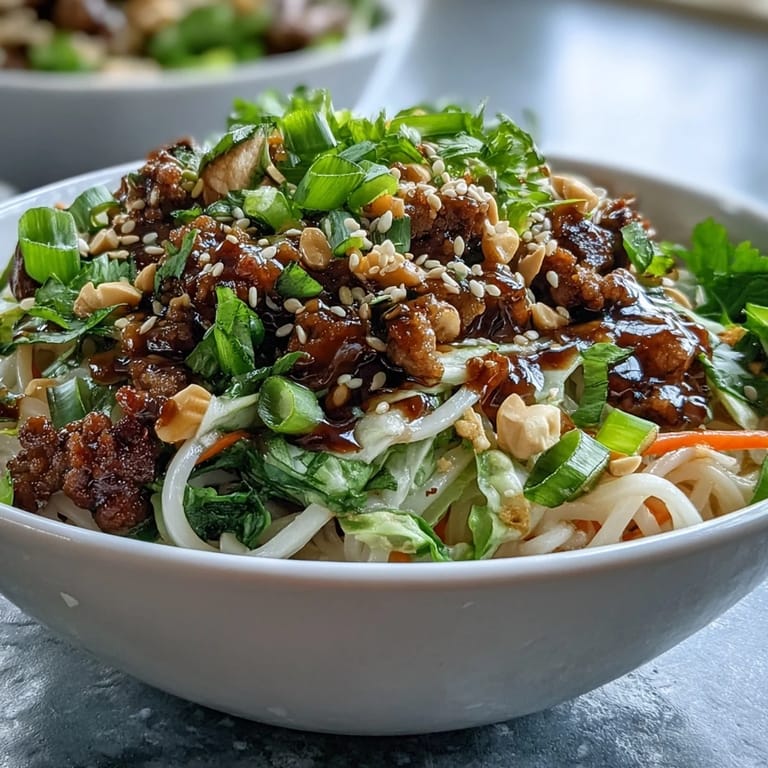
Save There's a moment when you toss the noodles with the sauce and everything glistens under the kitchen light, and you realize this simple bowl has all the comfort of your favorite takeout but feels more alive. I've served this to picky eaters, adventurous friends, and family members who claim they don't like spicy food, and every single time, someone asks for seconds. It's become my proof that you don't need fancy techniques or hours of prep to make something that feels special and tastes unforgettable.
Choosing Your Noodles
Rice noodles are my go-to because they cook in under five minutes and have a silky texture that soaks up the sauce without getting heavy. If you prefer something chewier, lo mein or even udon noodles work beautifully, just adjust the cooking time and expect a heartier bite. I once used soba noodles when I ran out of rice noodles, and while the flavor was different, the nutty buckwheat added a surprising depth that my dinner guests loved. Whatever you choose, just make sure to rinse them after cooking so they don't clump together in the pan.
Making It Your Own
This recipe is incredibly forgiving and practically begs you to swap things around based on what's in your fridge. I've used ground turkey when I wanted something leaner, added bok choy instead of cabbage for a more delicate crunch, and even stirred in snap peas for extra sweetness. One night I cracked a soft-boiled egg on top and let the yolk run into the noodles, turning the whole bowl into something rich and luxurious. The sauce is the anchor, but everything else is up for interpretation.
Storage and Reheating
Leftovers keep beautifully in the fridge for up to three days, and I actually think the flavors deepen overnight as the noodles soak up more of the sauce. When you reheat, add a splash of water or broth to loosen everything up, and warm it gently in a skillet or microwave until heated through. The vegetables may soften a bit, but the dish still tastes vibrant and satisfying.
- Store in an airtight container to keep the noodles from drying out.
- Reheat in a skillet over medium heat for the best texture.
- Add a handful of fresh bean sprouts or cilantro after reheating to bring back some crunch and brightness.
 Save
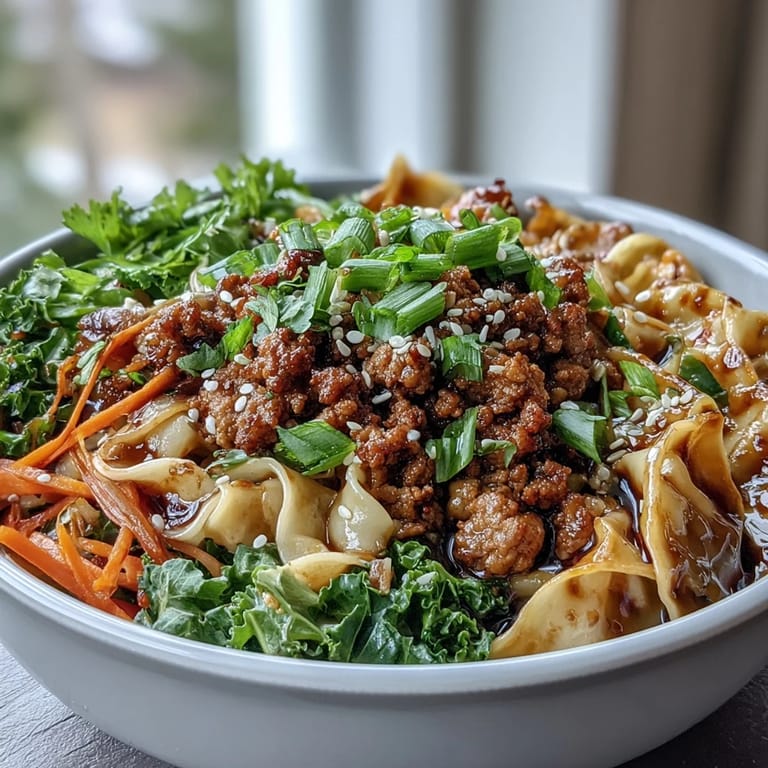
Save This bowl has earned a permanent spot in my weeknight rotation, and I hope it does the same for you. It's proof that the best comfort food doesn't have to be complicated, just full of flavor and made with a little bit of love.
Recipe FAQs
- → Can I make this gluten-free?
Yes, use rice noodles and substitute regular soy sauce with gluten-free tamari. Check that your oyster sauce is certified gluten-free as well. The rest of the ingredients are naturally gluten-free.
- → What protein alternatives work well?
Ground chicken, turkey, or beef all work beautifully with the dumpling-style seasoning blend. For a vegetarian version, use crumbled firm tofu or plant-based ground meat, and add extra vegetables like bok choy or snap peas.
- → Can I prepare components ahead?
You can shred vegetables, whisk the sauce, and season the meat up to a day ahead. Store everything separately in the refrigerator. Cook the noodles just before serving to prevent them from becoming sticky or mushy.
- → How do I store and reheat leftovers?
Leftovers keep well refrigerated for up to 3 days in an airtight container. Reheat gently in a skillet with a splash of water or broth to loosen the sauce and prevent noodles from drying out. The flavors often develop even more after a day.
- → Can I adjust the spice level?
Absolutely. Start with less chili-garlic sauce and add more to taste when serving. You can also serve extra chili-garlic paste or sriracha at the table so everyone can customize their own bowl. For a milder version, omit the chili-garlic sauce entirely.
- → What other vegetables can I add?
Baby bok choy, sliced bell peppers, snow peas, or spinach all work well. If you prefer a noodle-heavy bowl, reduce the vegetables to 2 cups total. For a vegetable-packed version, increase to 4-5 cups and add more sauce to coat everything evenly.